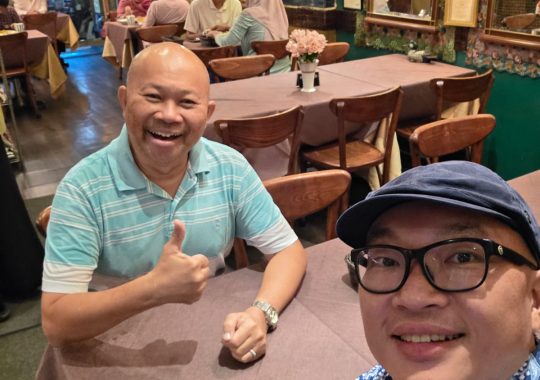
Rain was pouring down on Singapore’s Kampong Glam District, as we parked on a small street. My guide used an app on his phone to pay for parking: welcome to the high-tech city-state! After getting two umbrellas, we jumped across flowing water on the street to reach our destination. My anticipation was high. My guide is none other than Khir Johari, the author of “The Food of Singapore Malays: Gastronomic Travels Through the Archipelago”.
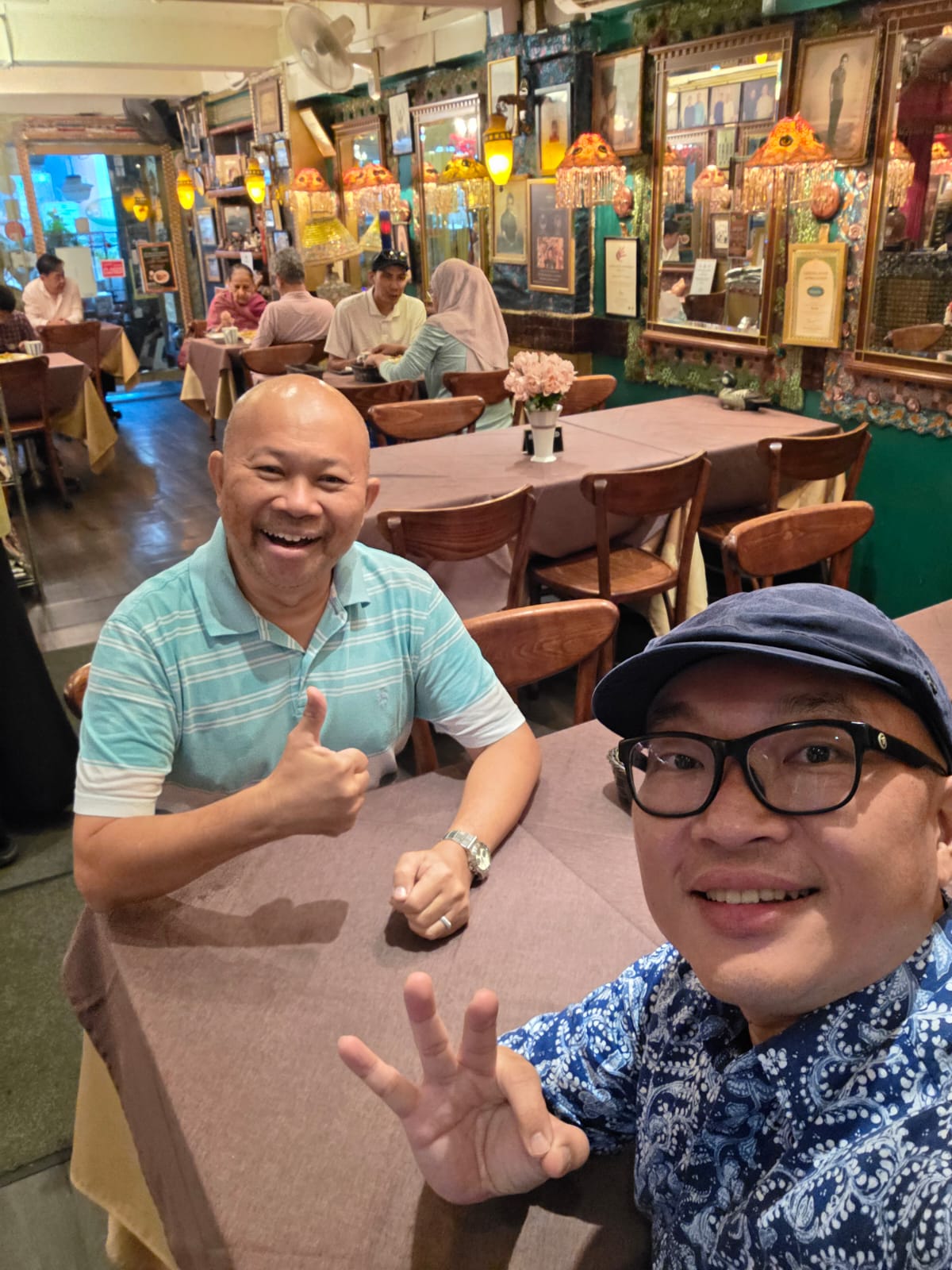
He is born, raised, and well-fed in Singapore! As a fellow foodie, I can recognize the spark on his eyes when we enter the establishment. But I can’t find the restaurant’s name! Only the word “Islamic” was written on the logo. Islamic what? Well, the restaurant name turns out to be “Islamic Restaurant”.
And I can see why: this restaurant was established in 1920, and quickly became the ruling Brits’ favourite restaurant if they are looking for food that is exotic, or, as they say in 1920s, “Islamic”. No wonder, the interior is full of past grandeur: red wallpaper with hanging arabic-style lanterns and shiny gold ceramics on display.
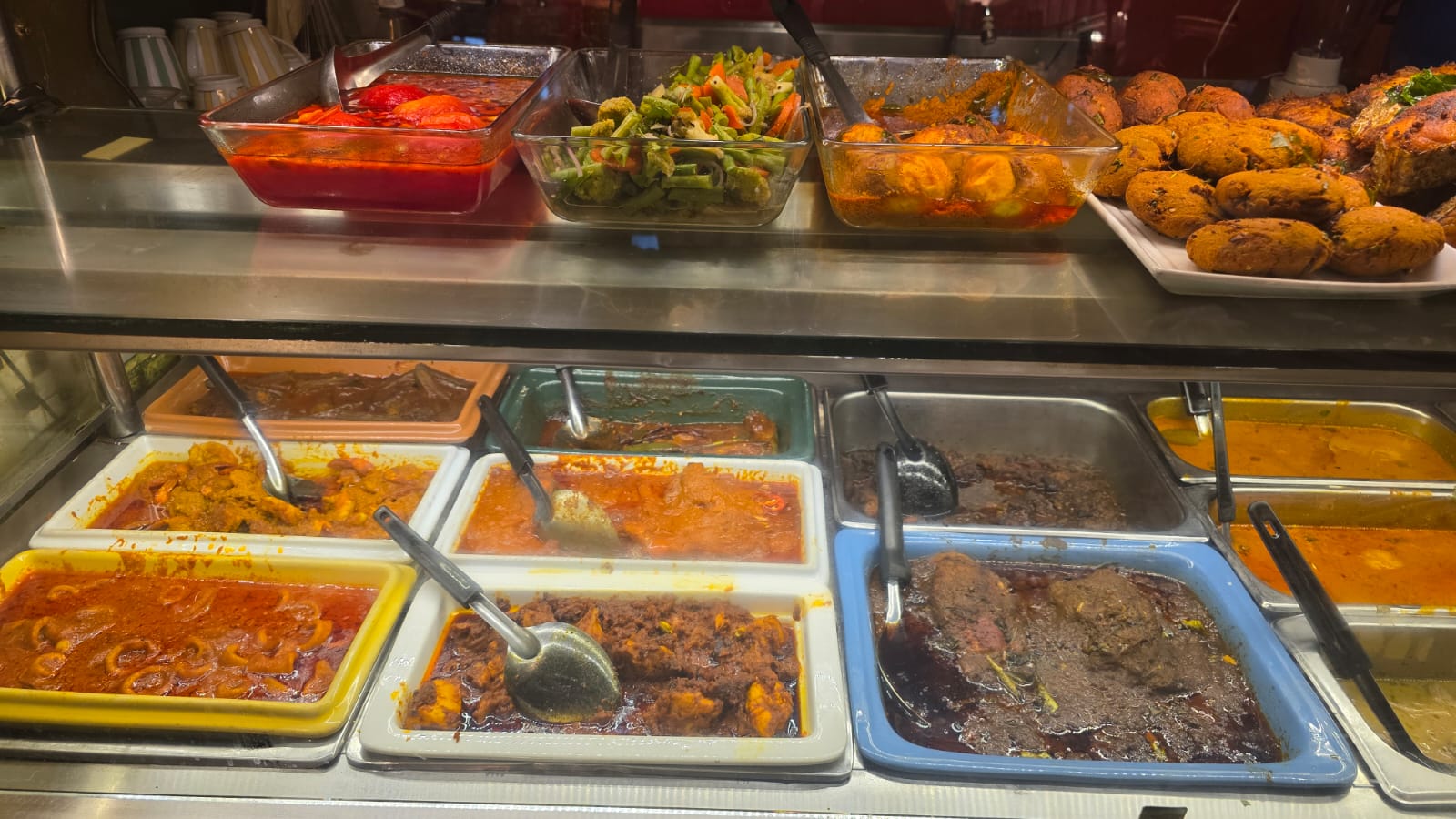
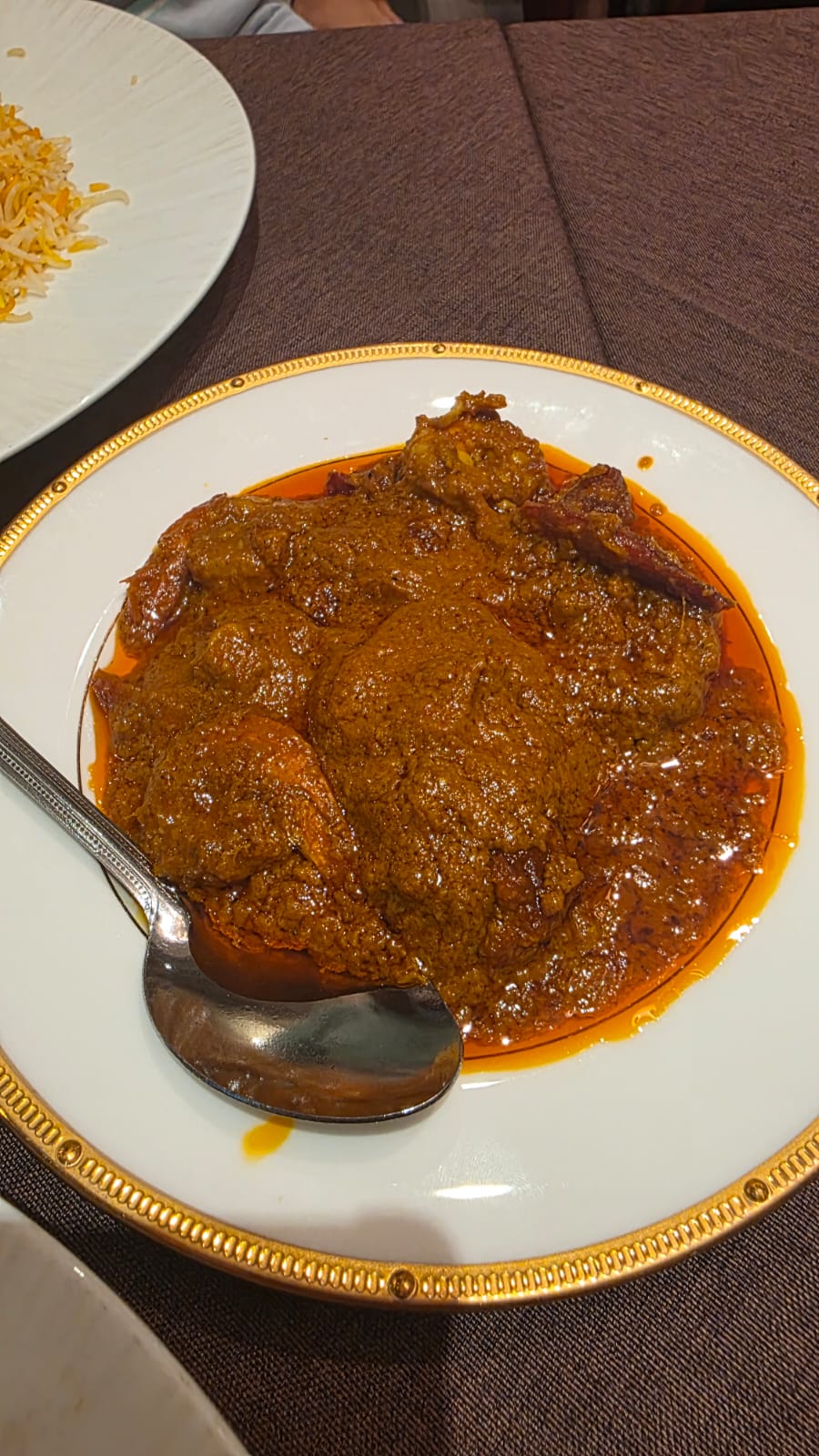
I let Pak Khir handle the order, and not long after that, one giant generous plate arrived on my side of the table. This is the famous mutton biryani! Basmati rice with its distinctive yellow-orange color fully covering a huge cut of mutton curry, with pickled cucumber on the side. Two more dishes were added: one is “sambar” or a sour lentil soup and shrimp curry.
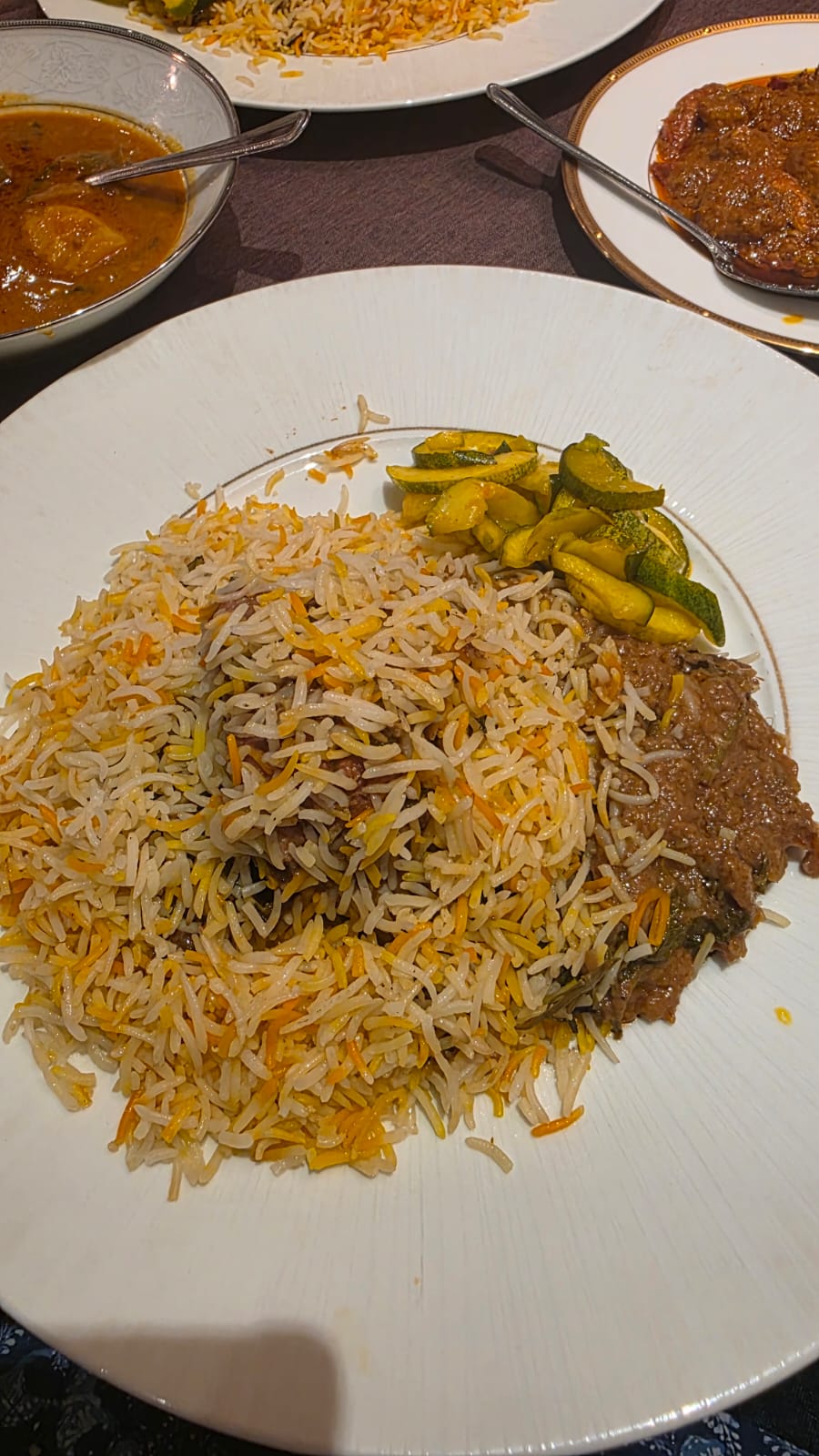
I started to eat with my hands – just like the locals – and a burst of flavor erupted on my mouth. Amazing! Cardamom, cumin, garam masala, raise like incense through my nose. But there is something different than India here: the taste is distinctively Southeast Asian!
The punch of the coconut milk in the shrimp curry reminds me of telur bumbu bali in Surabaya, and the mutton is a reminiscence of North Javanese gule kambing. Indian roots yes, but the dish has evolved by adapting to its environment for the last 100 years.
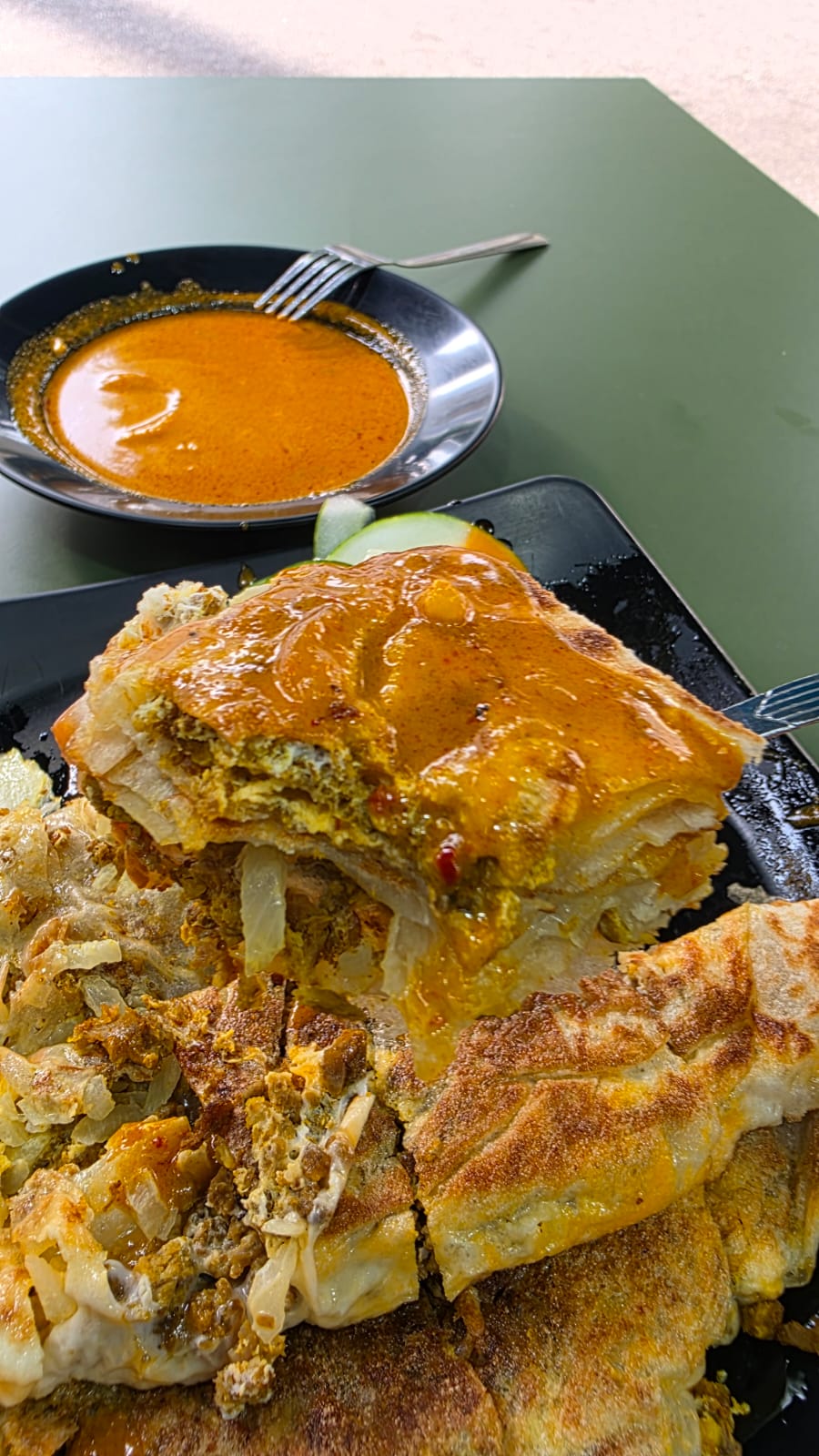
Curious about the other biryanis in Singapore, I decided to dedicate the next 2 days here eating only biryanis. Luckily, my location in Bencoolen is a perfect fit for this purpose! The next day, I sat by a stainless steel table of a much simpler restaurant – to me it looks like a classic rumah makan padang in Jakarta – called Singapore Zam Zam.
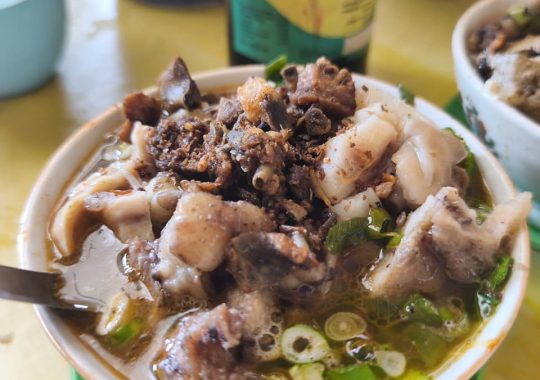
This is also a legend, famous for its mutton murtabak. And when it arrived, what a bargain! Huge chunks of murtabak, with a generous minced mutton meat. Unlike a similar dish in Palembang, the filling has more meat and the egg is added outside, not inside the murtabak layers. The curry is thinner than the Palembang version, just perfect for the heavier murtabak. Crispy on the outside, “muttony on the bounty” on the inside. Amazing!
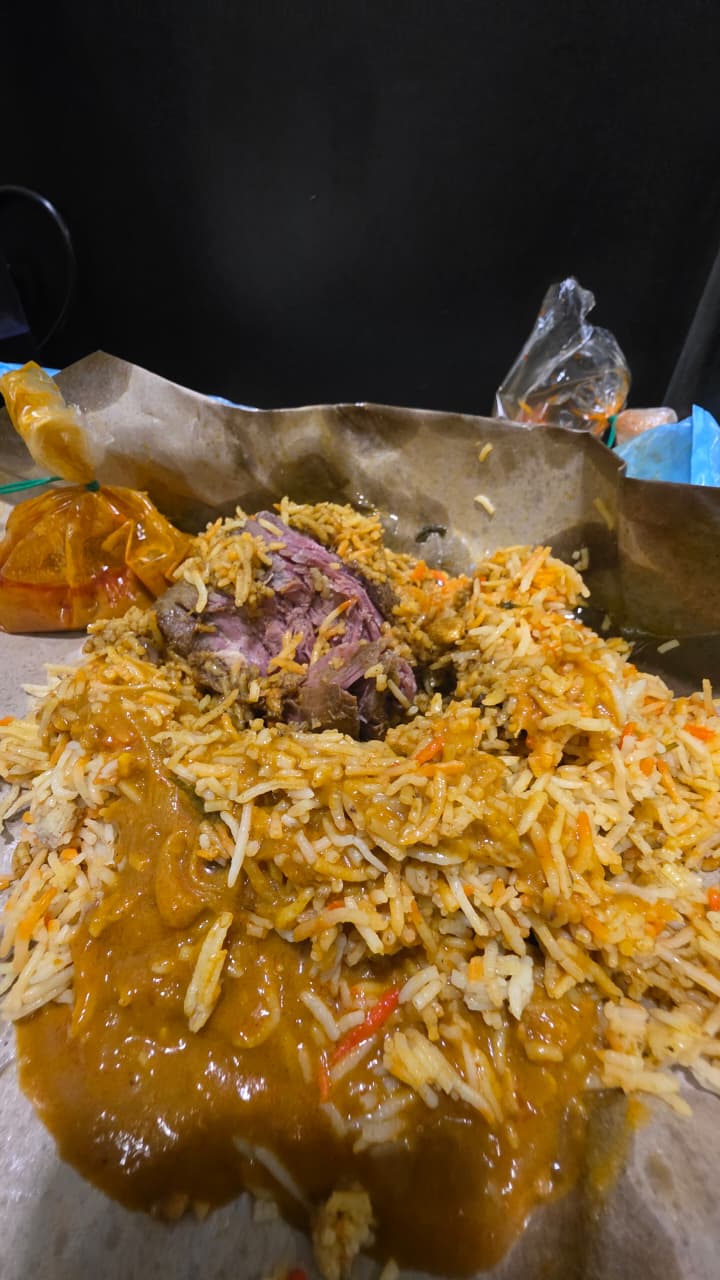
How about the mutton biryani? Although I ordered in the morning and enjoyed it at lunch, the quality is superb. The biryani rice is still fluffy and full of aroma, the pickles are crisp and tangy, but the champion here is the mutton: cooked to perfection with a reddish interior, providing a moist and juicy inner part of the mutton. It is seasoned, but not overwhelming, still showing the quality of the meat. This is steak magic applied in muttonry! I am pleasantly surprised. Indian roots yes, but served with Singapore’s obsession for perfection!
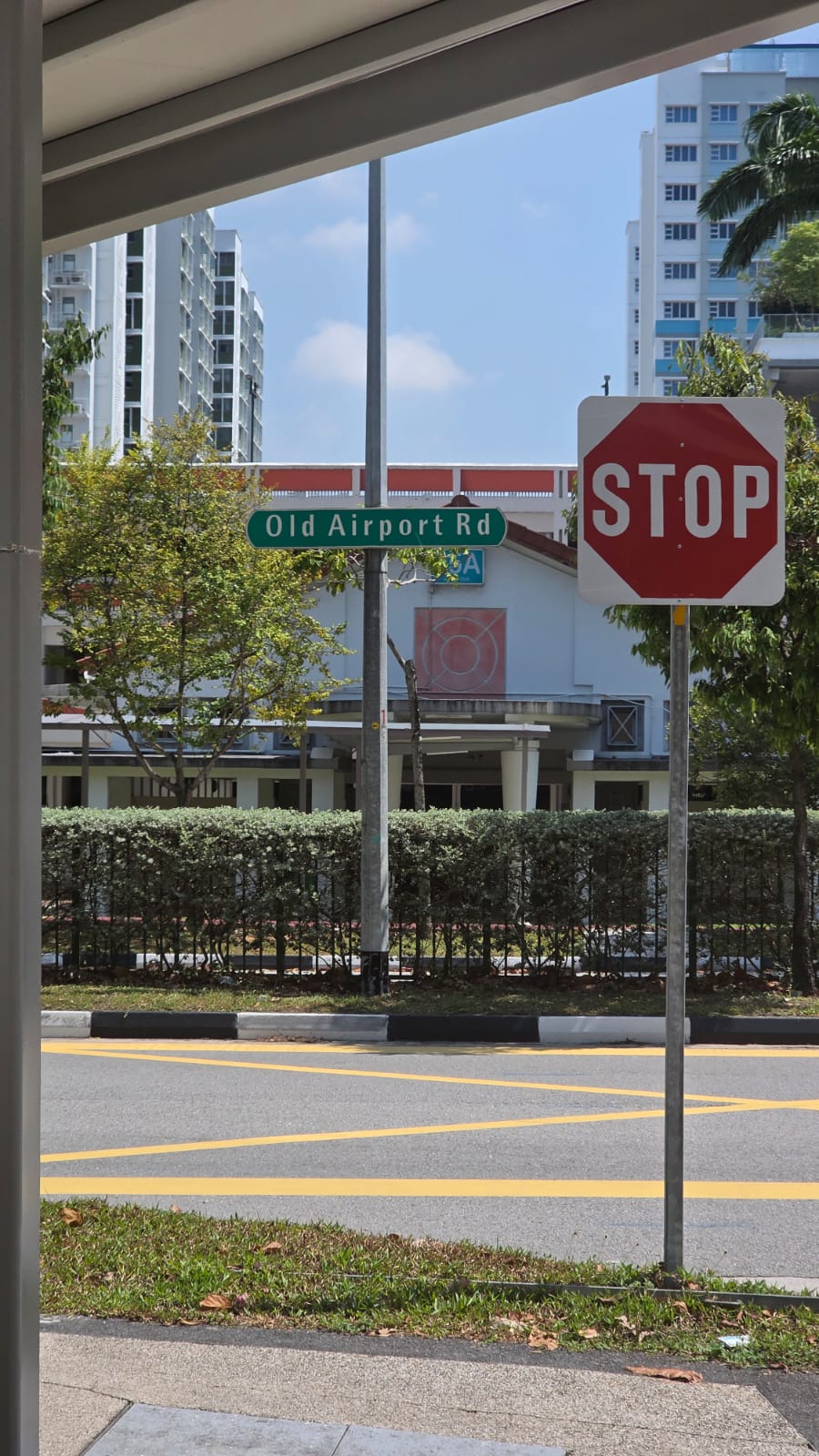
The third biryani is an outlier: located in Old Airport Road Hawker Center, deep in Chinese culture territory. As I am a foodie on a mission, I have to avoid the temptation of hokkien mee and hainanese rice here, so I go straight to an interesting stall: Mama Recipe Biryani Rice.
So I ordered their special: Ayam Masak Merah with Nasi Biryani. This is totally new for me! It is served on a simple green melamine plate, with pickles. True to their heritage, the rice portion is generous. The color of the biryani is correct but the rice a bit soft, and its aromatic content is a bit less than Kampong Glam. This is an adaptation to the chinese culture, which focus more on taste than aroma.
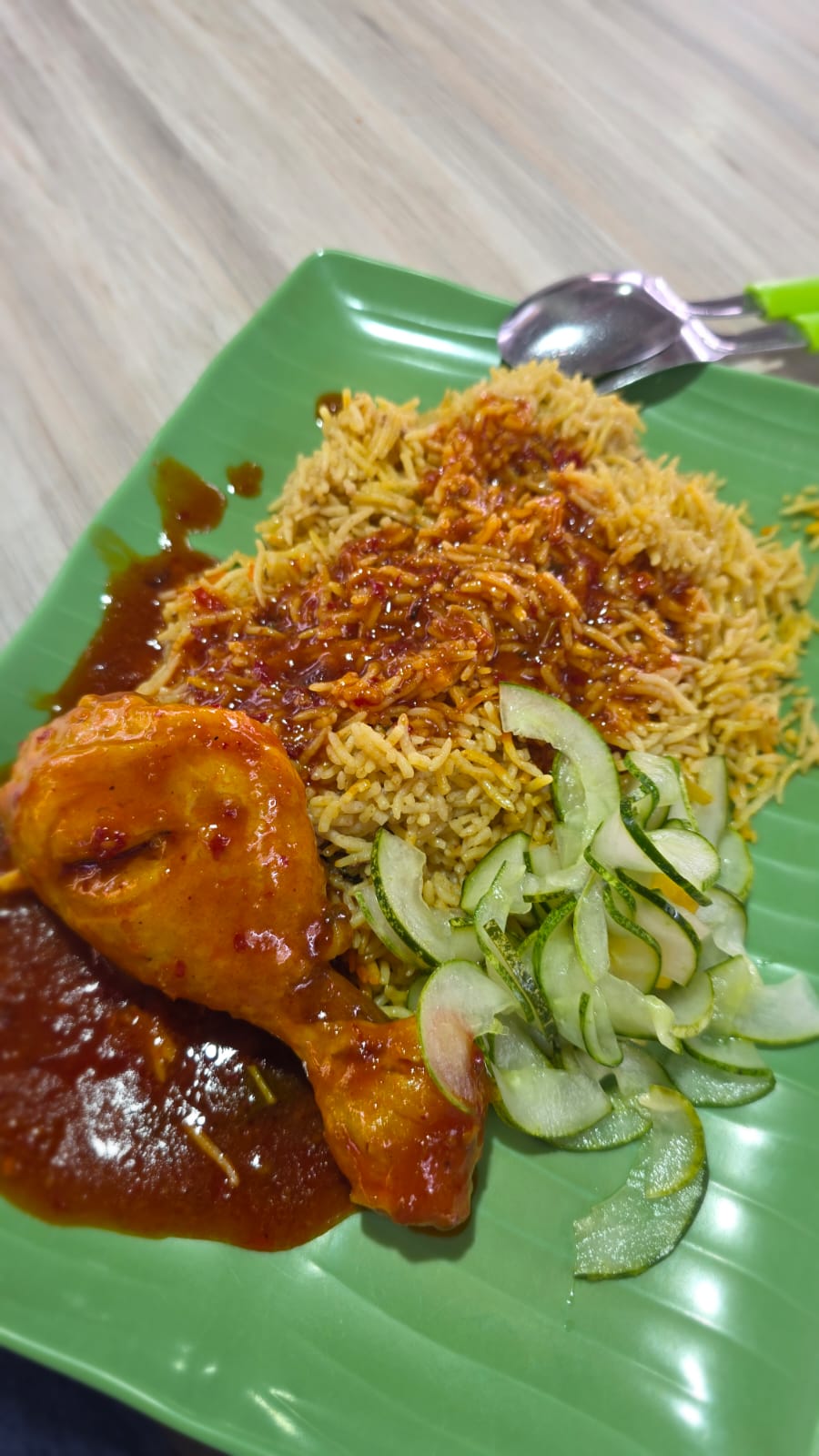
Ayam Masak Merah is interesting: it is a sour version of curry, reminds me of massaman curry in Southern Thailand. The color is red, with a hint of tamarind, still containing some aromatic element but accompanied by a sour note – it is curry and sambar merged into one. It goes well with chicken and the biryani, giving a punch of sourness that balances the whole dish. In general in reminds me of sweet and sour sauce in chinese culture, but improved with indian aromatics. Interesting! Indian roots yes, but with a twist suitable for the chinese taste!
Food is not rigid, it is like water: it can be still blue on a calm lake or bubbling and splashing in a rapid river. Singapore, is a culinary rapid river: where cultures collide and interact rapidly for many decades, creating new, unique dishes. This is one of the theme in Khir Johari’s book, which I love to read. And by introducing me to the biryanis of Singapore, he proved exactly this point. Thank you Pak Khir, for showing me the real Singapura – and giving me a taste of the gastronomic travels throughout the archipelago.
Regards
Kang Harnaz
Komunitas Jalansutra